Commercial Water Treatment for Coffee & Espresso
Shop All
Shop Categories
Reverse Osmosis & Mineral Addition
Shop all
Water Can be Complicated
We make it simple with water testing and expert guidance.
Get Results & Tailored Plan
Everpure H20 Express Water Test Kit
Shop now
Once you have your test results, compare it against these parameters—they're the industry standard for espresso equipment water quality.
TDS: 70–200 ppm
Total Hardness: 1–6 gpg (17–102 ppm as CaCO₃)
Total Alkalinity: 40–80 ppm as CaCO₃
pH: 6.5–8.0
Chlorides: <30 ppm
Total Chlorine: <0.05 ppm
Sulfates: <50 ppm
Iron: <0.1 ppm
LSI: -0.5 to +0.5
Reverse Osmosis and Mineral Addition
Shop now
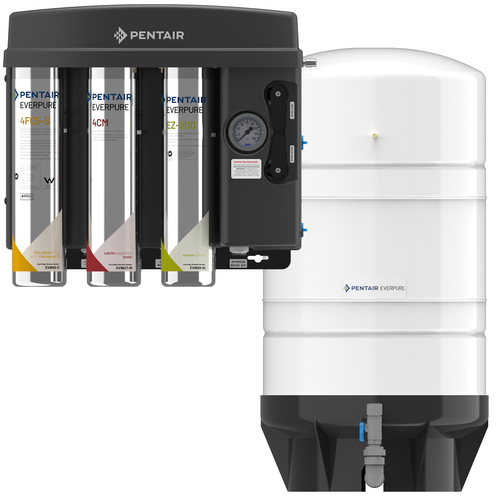
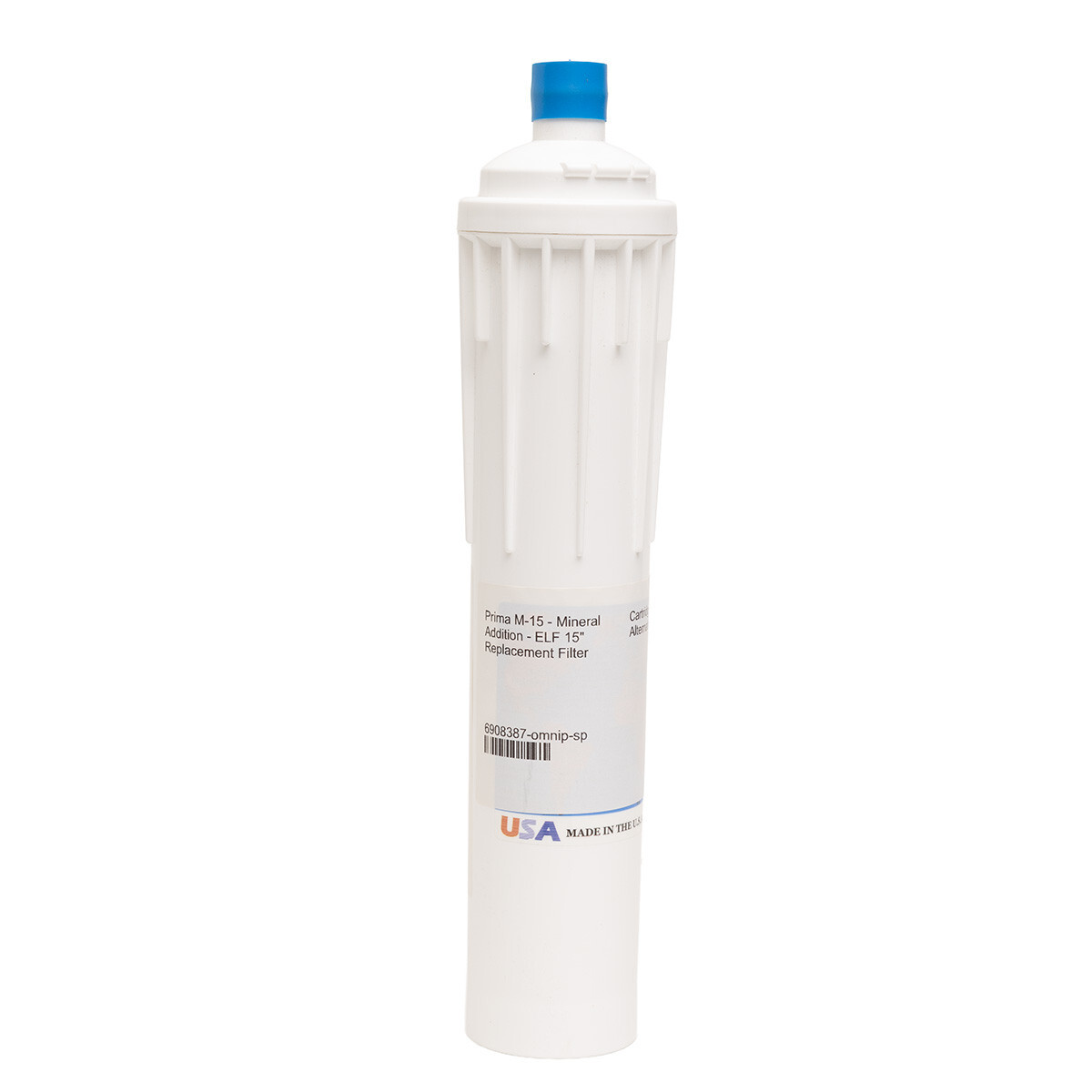
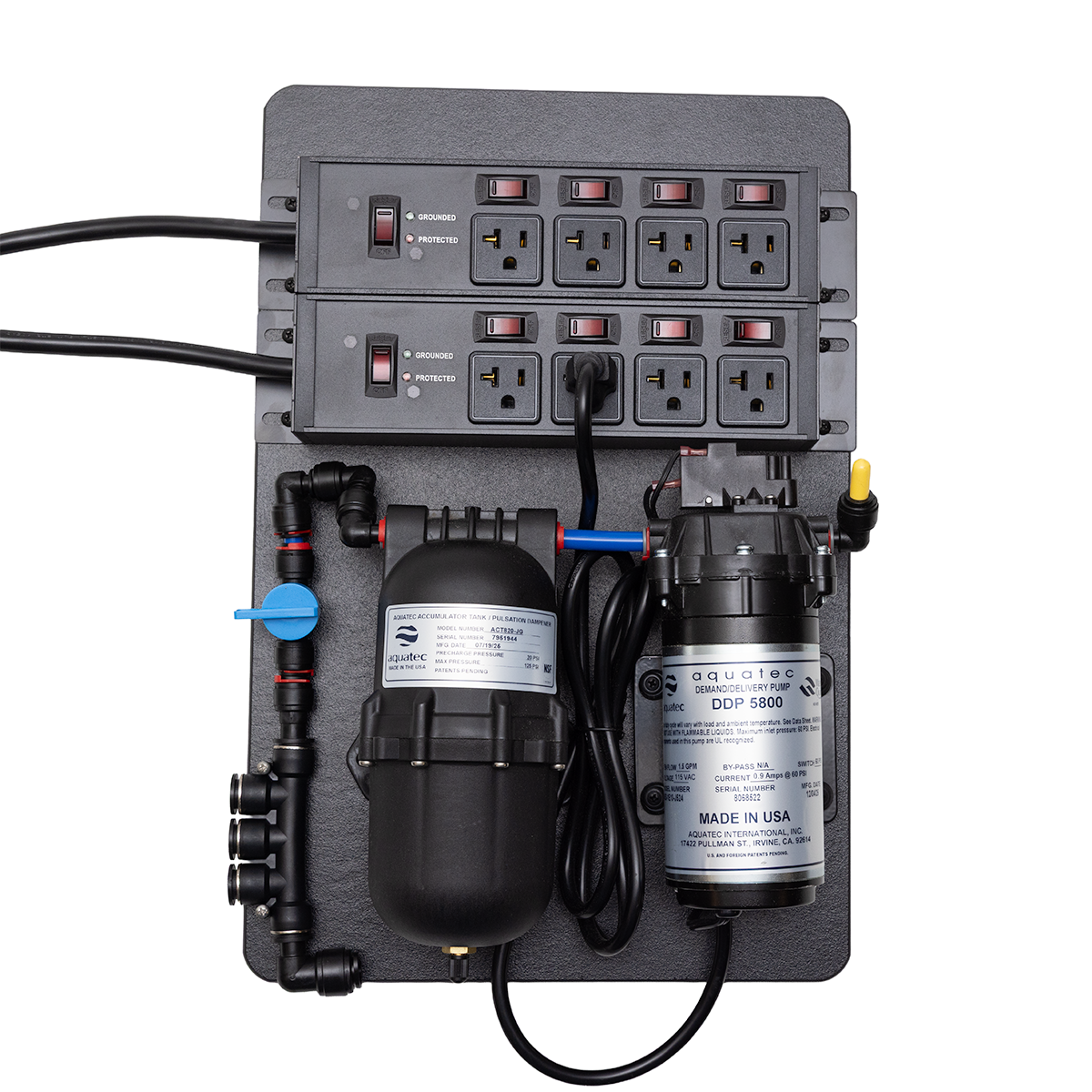
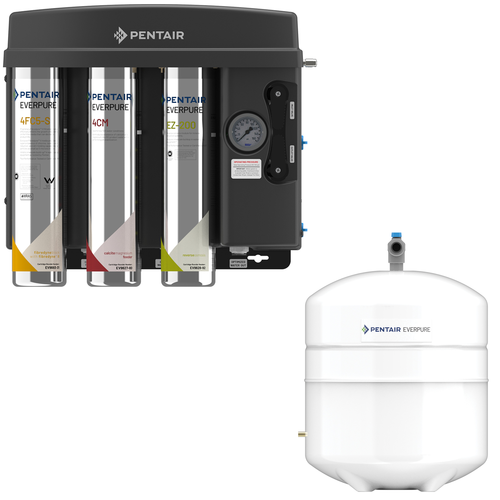
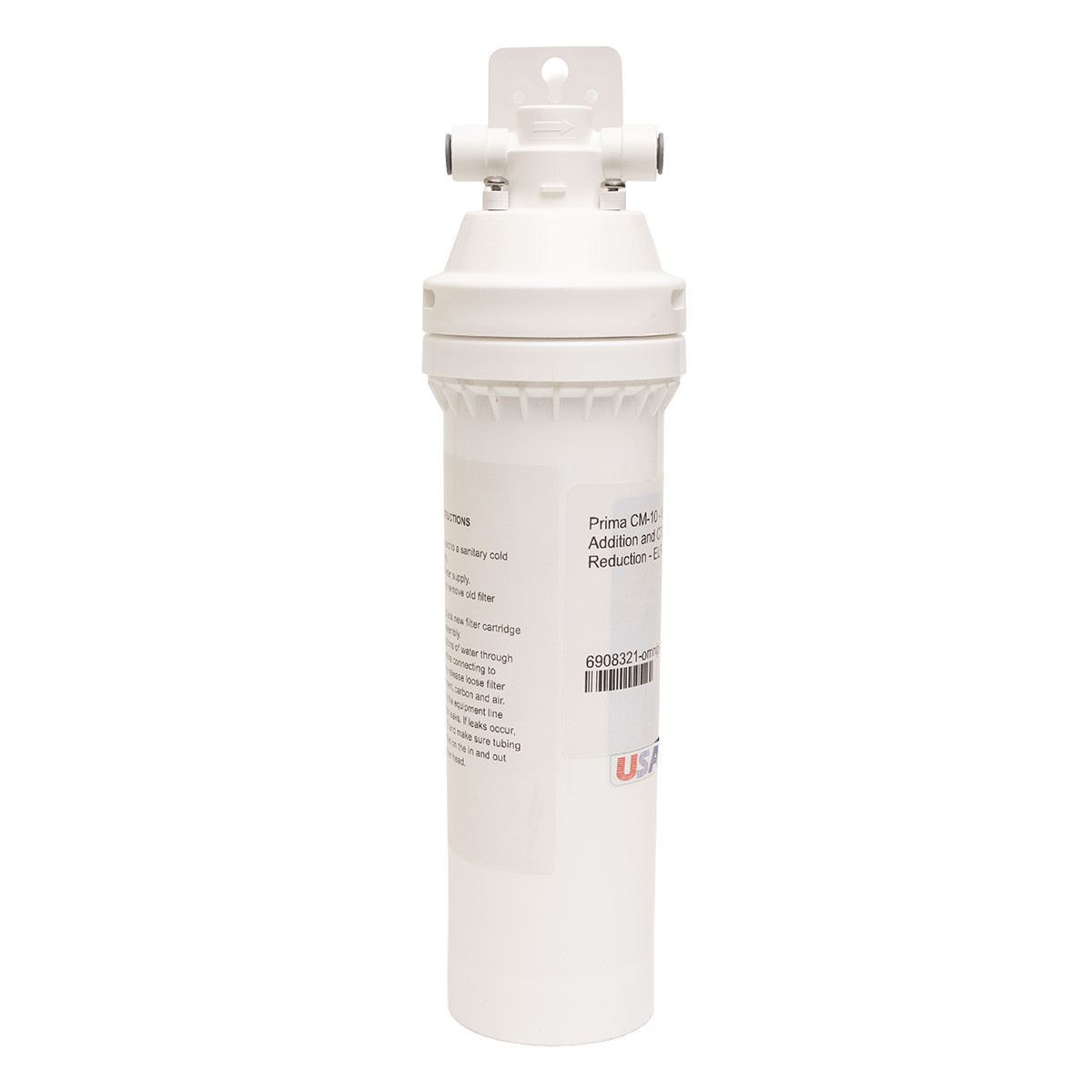
Reverse Osmosis + Remineralization Removes 90–98% of dissolved solids, then rebuilds a controlled mineral profile optimized for espresso.
TDS: >250 ppm ← trigger
Total Hardness: >10 gpg ← trigger
pH: any
Chlorides: >30 ppm ← trigger
Total Chlorine: any
Sulfates: >50 ppm ← trigger
Iron: any
LSI: strongly positive or strongly negative ← trigger
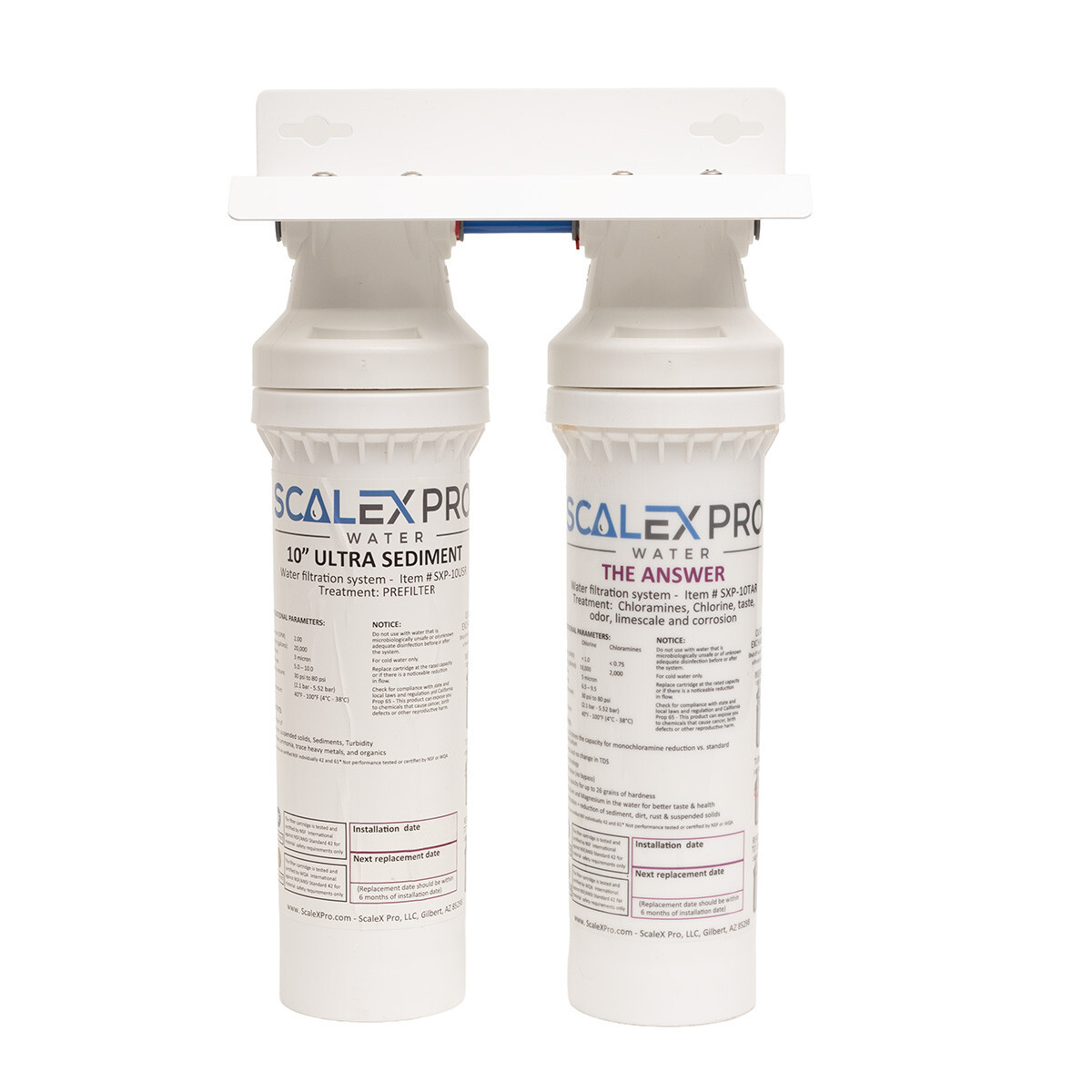
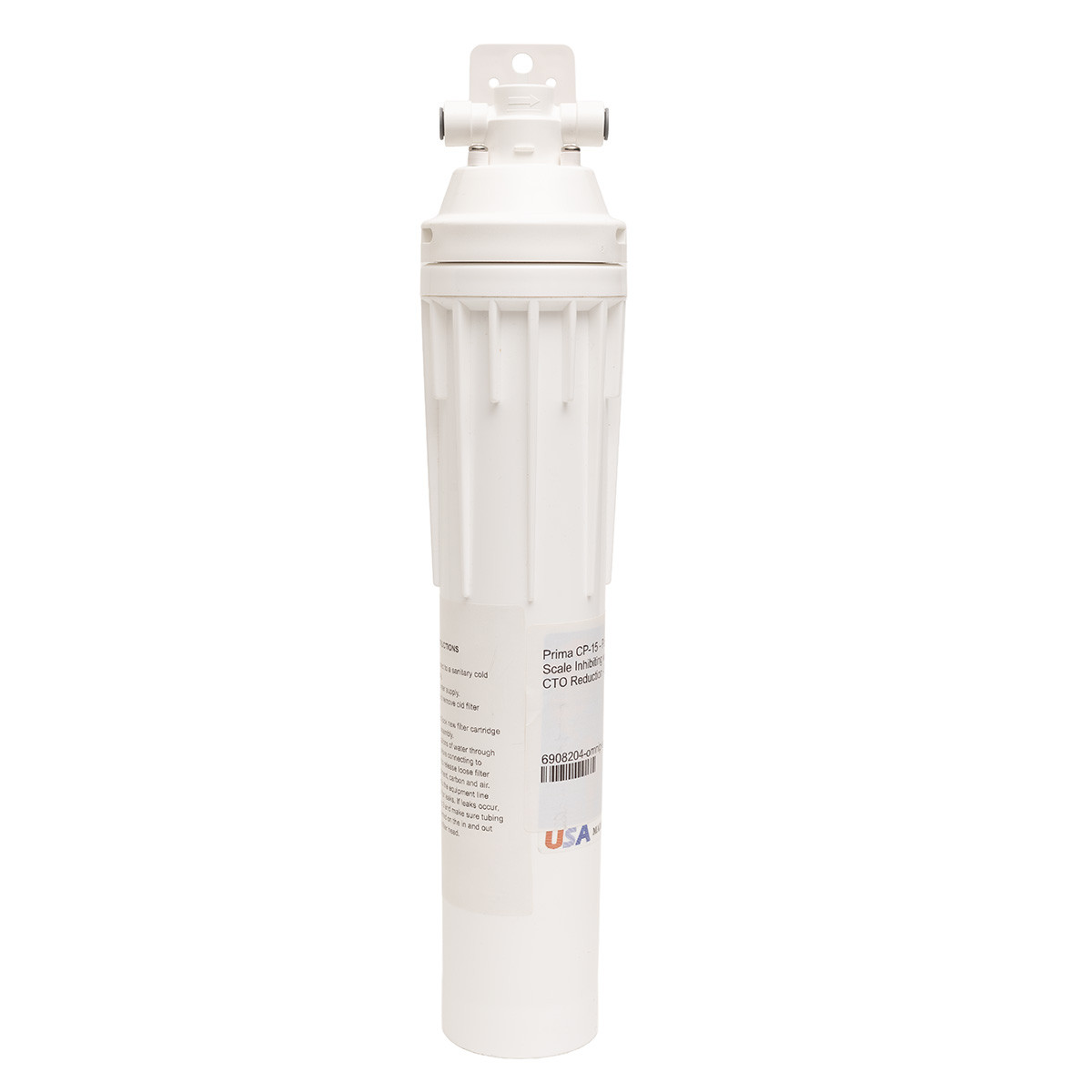
Scale Inhibition conditions hard water minerals to prevent scale formation without removing them.
TDS: 70–200 ppm
Total Hardness: > 7gpg ← trigger
Total Alkalinity: 40–80 ppm
pH: 6.5–8.0
Chlorides: <30 ppm
Total Chlorine: <0.05 ppm
Sulfates: <50 ppm
Iron: <0.1 ppm
LSI: near neutral to slightly positive
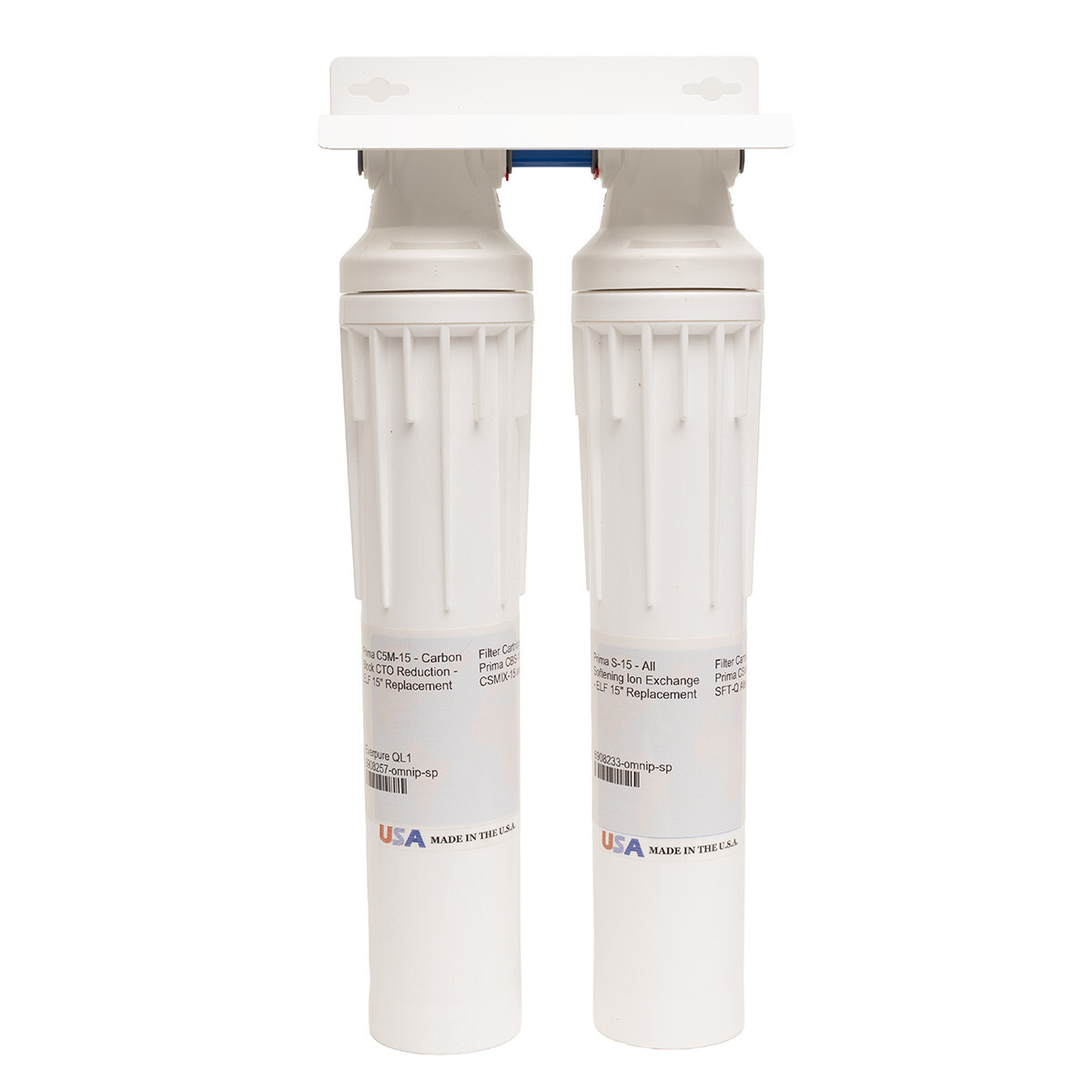
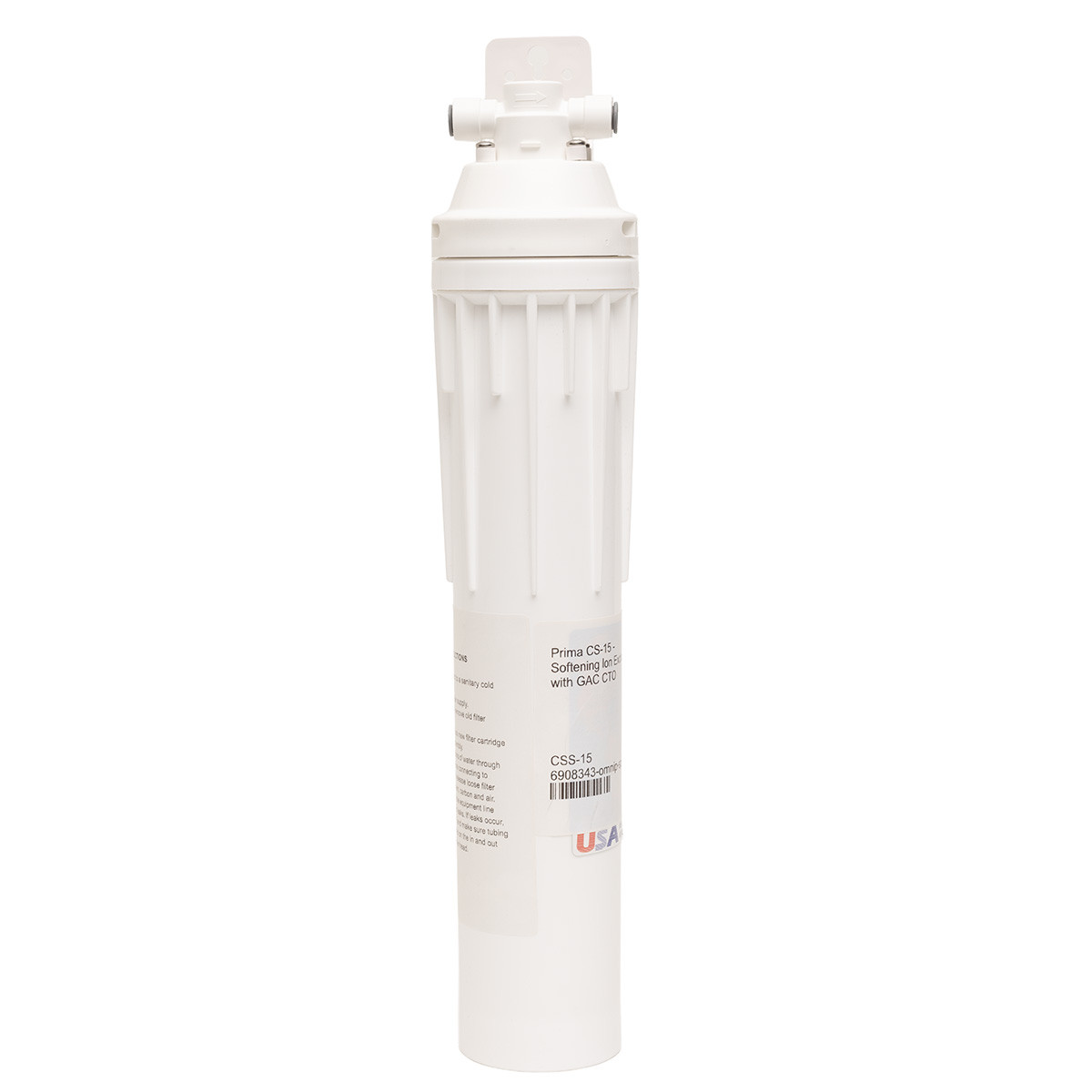
Ion exchange or “softening” removes calcium and magnesium ions from water, replacing them with sodium ions and thereby reducing hardness and scaling potential.
TDS: 70–250 ppm
Total Hardness: >8 gpg ← trigger
Total Alkalinity: >80 ppm ← trigger
pH: 6.5–8.5
Chlorides: <30 ppm
Total Chlorine: <0.05 ppm
Sulfates: <50 ppm
Iron: <0.1 ppm
LSI: positive ← trigger
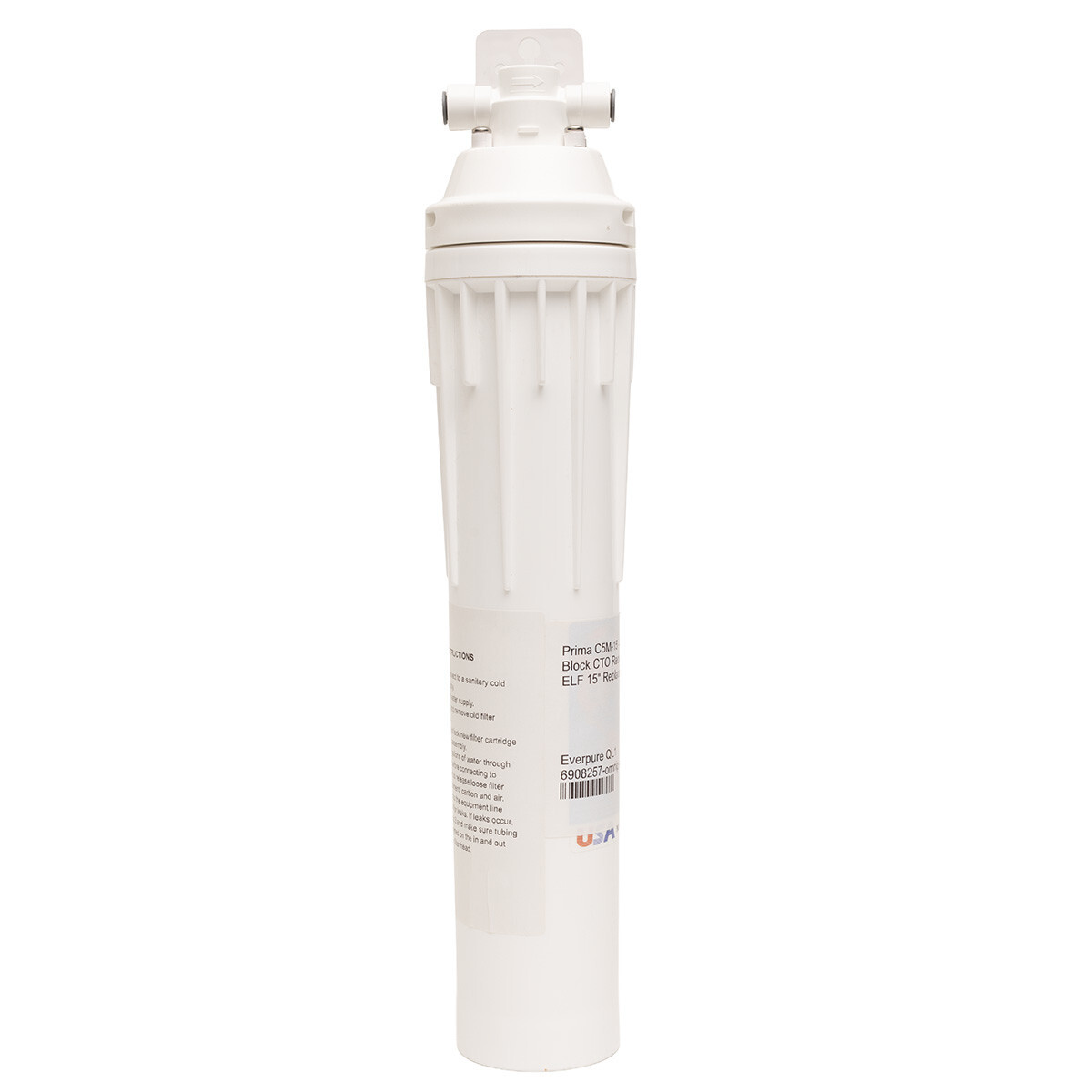
Carbon & Catalytic Carbon Filtration Removes chlorine, chloramines, and organic contaminants that affect taste and degrade seals and O-rings. If your water test falls within this range, carbon filtration is right for you.
TDS: 70–200 ppm
Total Hardness: 1–4 gpg
Total Alkalinity: 40–80 ppm
pH: 6.5–8.0
Chlorides: <30 ppm
Total Chlorine: >0.05 ppm ← trigger
Chloramines: present ← catalytic carbon required
Sulfates: <50 ppm
Iron: <0.1 ppm
LSI: -0.5 to +0.5